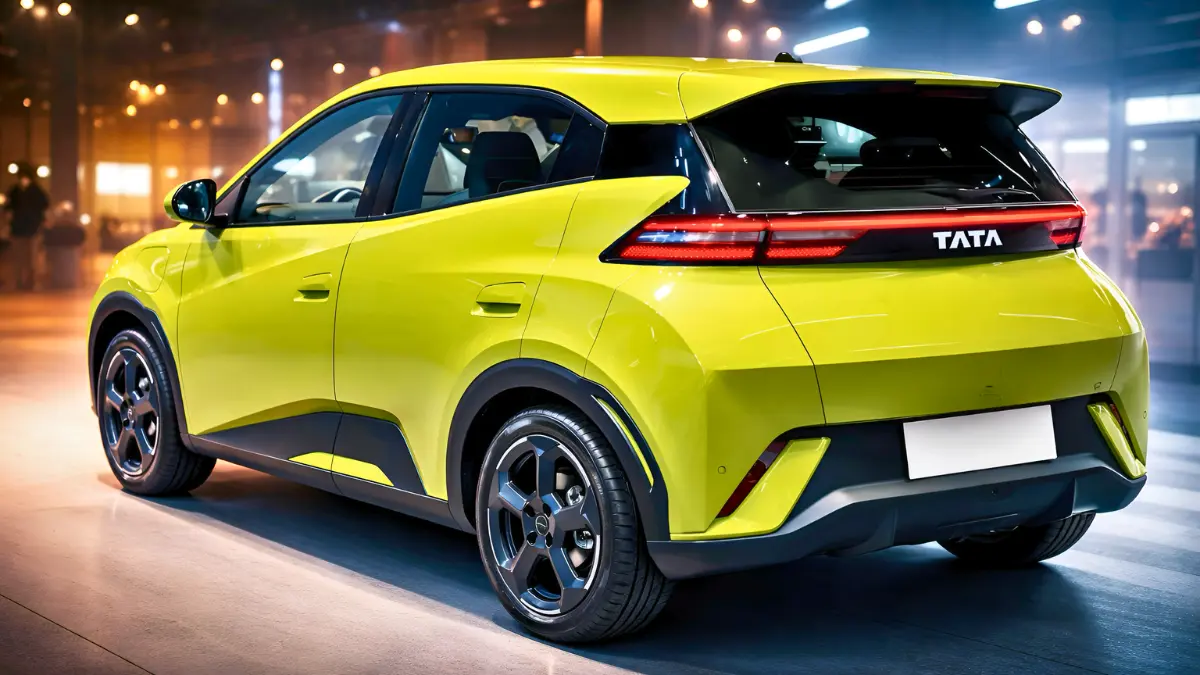
Tata Nano Electric 2026: ₹1.80 Lakh EV with 110km/h Speed & 5-Year Warranty Support: The small car that once redefined affordability in India is now being talked about in an entirely new avatar. Tata Nano Electric 2026 is generating massive curiosity with bold claims of a ₹1.80 lakh starting price, a top speed of 110 kmph, and an impressive 5-year warranty support package. As fuel prices continue to rise and urban mobility becomes more expensive, the idea of an ultra-budget electric car feels both exciting and necessary.
Electric vehicles are no longer luxury products reserved for premium buyers. The market is shifting rapidly, and affordable EV options are becoming the real game changers. Tata Nano Electric 2026 aims to tap directly into this demand, promising accessible clean mobility for students, working professionals, and middle-class families who want a practical and economical car for everyday use.
Budget EV Shockwave Arrives
The headline-grabbing ₹1.80 lakh expected price positions Tata Nano Electric 2026 as one of the most affordable electric cars ever discussed in the Indian market. If launched at this price bracket, it could dramatically lower the entry barrier for EV ownership. For many two-wheeler users considering an upgrade to a four-wheeler, this pricing could make the transition realistic. Affordability combined with electric efficiency gives this model strong potential to disrupt the entry-level car segment.
Compact Design With Modern Twist
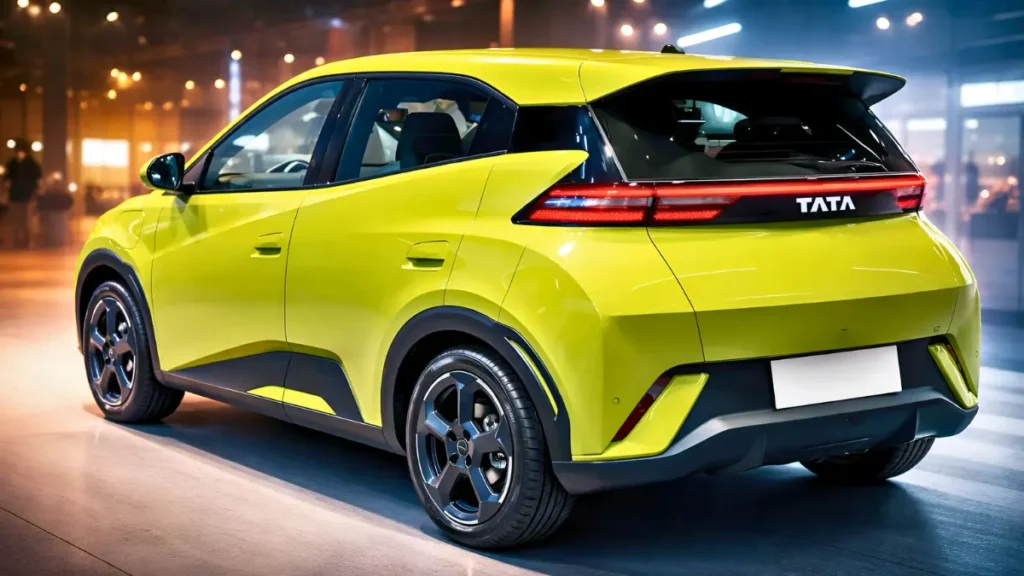
The 2026 electric version is expected to carry forward the Nano’s compact silhouette while adding fresh styling elements. Redesigned LED headlamps, sleeker tail lamps, and subtle aerodynamic improvements may give it a contemporary urban look. The small footprint makes it ideal for narrow lanes and tight parking spots in crowded cities. Despite its size, smart packaging could ensure decent cabin space for four passengers, maintaining practicality at the core.
Strong City Speed Capability
A claimed top speed of 110 kmph makes Tata Nano Electric more capable than typical low-speed electric vehicles. This performance level ensures the car is not limited to inner-city roads alone. Short highway drives or intercity commutes become feasible with this speed capacity. Electric motors are known for instant torque delivery, which means smoother acceleration and effortless overtaking in urban traffic. For daily commuters, this balance of power and efficiency can be very appealing.
Impressive Urban Driving Range
Driving range is one of the most important factors for EV buyers. Tata Nano Electric 2026 is expected to deliver a practical range that suits daily commuting needs. A projected range between 150 and 200 kilometers per charge would comfortably cover office trips, school runs, and local errands. Overnight home charging support is likely, allowing owners to plug in the vehicle using a standard charging setup without heavy infrastructure investment.
Five Year Warranty Assurance
The 5-year warranty support package is a major confidence booster. Battery health and electric components are often the biggest concerns for new EV buyers. Extended warranty coverage can reduce long-term anxiety related to repairs and replacements. This reassurance may attract first-time EV owners who are cautious about switching from petrol or diesel vehicles. A strong warranty program reflects confidence in product durability and enhances brand trust.
Ultra Low Running Cost Edge
One of the biggest advantages of owning an electric car is reduced running cost. Electricity per kilometer is significantly cheaper than petrol or diesel fuel. Tata Nano Electric is expected to offer excellent cost efficiency for daily users. With fewer mechanical components compared to internal combustion engines, maintenance requirements also drop considerably. Over several years of ownership, these savings can become substantial, especially for high-frequency commuters.
Smart Interior For Everyday Use
Inside the cabin, practicality is likely to take priority over luxury. A digital instrument display, basic infotainment system with smartphone connectivity, and efficient air conditioning could be part of the package. The seating layout may remain simple yet functional, designed for urban families. Adequate headroom and legroom optimization will be important to maintain comfort despite compact dimensions. The aim is usability rather than unnecessary complexity.
Urban Mobility Reimagined
Tata Nano Electric 2026 appears tailored specifically for city life. Its lightweight structure and compact body allow smooth maneuvering through heavy traffic conditions. Tight turning radius enhances driving confidence in crowded areas. As cities push for cleaner air initiatives, affordable EV options become essential in reducing pollution levels. The Nano Electric fits naturally into this shift toward sustainable and compact transportation solutions.
Charging Made Convenient
Charging infrastructure continues to expand across urban India, but home charging remains the most convenient solution for many buyers. Tata Nano Electric is expected to support easy plug-in charging options suitable for residential setups. Fast-charging capability could also be introduced for quicker top-ups at public charging stations. Convenient charging access plays a critical role in making EV ownership hassle-free and practical for everyday life.
Ideal First Car Option
For young professionals or small families purchasing their first car, Tata Nano Electric could become an attractive entry point. It offers the security of four wheels, better weather protection than two-wheelers, and lower operating costs compared to conventional cars. Its compact design reduces parking stress, while electric mobility ensures future-ready transportation. This combination makes it appealing to buyers looking for value without compromising on essential convenience.
Sustainability Meets Affordability
The shift toward electric mobility is not just about saving money but also about environmental responsibility. Tata Nano Electric aligns with global sustainability goals by reducing tailpipe emissions. As renewable energy adoption increases, the environmental impact of EV charging continues to improve. Affordable electric cars like the Nano Electric can accelerate the transition to cleaner mobility across urban and semi-urban regions.
Market Impact Potential
If Tata Nano Electric 2026 launches with the promised pricing and features, it could reshape the entry-level automobile segment. Competitors may need to rethink their pricing strategies to stay competitive. Increased adoption of affordable EVs can also stimulate growth in charging infrastructure and battery technology development. The ripple effect of such a product could extend beyond just sales numbers and influence the broader automotive ecosystem.
Final Verdict On Nano Electric
Tata Nano Electric 2026 represents a bold and ambitious step toward democratizing electric mobility in India. With an expected ₹1.80 lakh price point, a 110 kmph top speed, and a reassuring 5-year warranty, it carries the promise of practicality, affordability, and sustainability. If these specifications translate into real-world performance, it could become one of the most influential budget EV launches in recent years. For city commuters seeking low running costs, simple ownership, and eco-friendly travel, the Nano Electric may soon redefine what an entry-level car truly means.